
- The Neil Barnes Profile: Grit, Pedigree and Global Experience
- 3. Tactical Breakdown: Barnes vs Robertson
- 🔄 The Shift in Philosophy
- Why Dave Rennie Picked Barnes Now – and Why Robertson Left
- The 2026 Schedule: Forget August – Circle July 4
- Grassroots Impact: Taranaki and the Chiefs
- Where Are the All Blacks Headed?
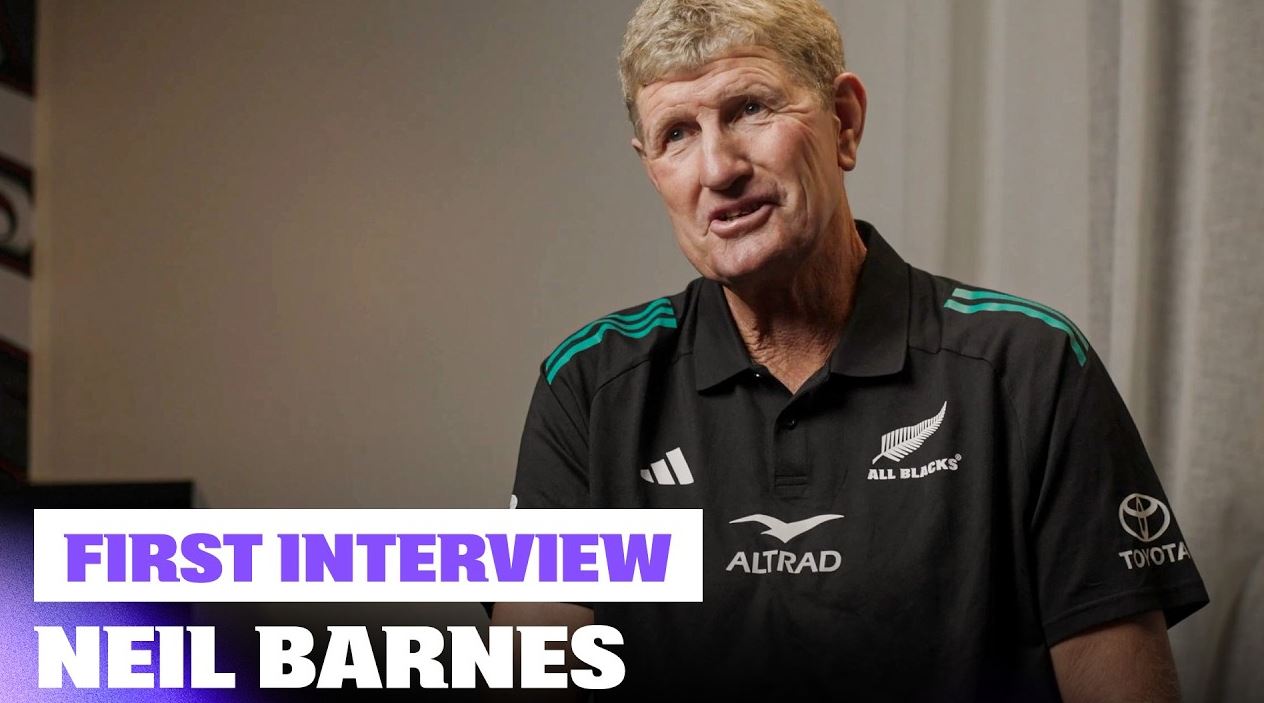
They say after the storm comes the calm. But for the All Blacks, after the whirlwind that was the Scott Robertson era, in steps Neil Barnes. And no, he’s not arriving with a war cry or flashy soundbites. He’s turning up with a pinpoint lineout, a Ranfurly Shield pedigree, and a simple promise: sometimes, to beat South Africa, you have to earn the right to go wide.
Yesterday (24 March), New Zealand Rugby officially confirmed Barnes as Senior Assistant Coach under Dave Rennie. The appointment completes a coaching panel built for stability: Jason Ryan (forwards), Tana Umaga (defence – joining after the Super Rugby Pacific season), Mike Blair (attack) and Phil Healey (performance). With the Nations Championship 2026 kicking off on 4 July against France in Christchurch, the new-look All Blacks are about to be tested immediately.
So, let’s be honest: is this mastermind from Taranaki the technical brain the All Blacks need to rebuild forward dominance, or are we about to miss the charisma of “Razor”? Here’s how the two coaching styles stack up.
The Neil Barnes Profile: Grit, Pedigree and Global Experience
If Scott Robertson was the frontman of a rock band, Neil Barnes is the sound engineer making sure every note hits clean. His résumé doesn’t need fireworks: he guided Taranaki to the NPC title in 2023 and orchestrated a memorable Ranfurly Shield defence that stretched from 2024 into 2025. Before that, he was part of Dave Rennie’s title‑winning Chiefs setup in 2012 and 2013.
But Barnes also brings a rare global perspective. He’s been to three Rugby World Cups – with Italy, Canada and Fiji – working as forwards consultant. That experience across different rugby cultures gives him an edge in adapting tactics to any opposition.
Barnes’ speciality is the forward pack. Not just pushing, but lineout accuracy, scrum stability, and aggression in contact. While modern rugby obsesses over playing three‑quarters rugby, Barnes preaches a return to fundamentals. His key trait is reminding the team that before you attempt the miracle offload, you win the ruck. In short: more craft, less choreography.
3. Tactical Breakdown: Barnes vs Robertson
To understand the shift, let’s put it side by side. The difference in philosophy is stark:
🔄 The Shift in Philosophy
Neil Barnes (Current) vs Scott Robertson (Previous)
| Aspect | Neil Barnes (Current Approach) | Scott Robertson (Previous Style) |
|---|---|---|
| Philosophy | Pragmatism and physical edge. “Win the contact battle.” | Creativity, flow, expansion. “Rugby is meant to be fun.” |
| Set‑piece | Lineout and scrum as primary weapons. | Launchpad for quick counter‑attack. Scrum was a means, not an end. |
| Leadership | Low‑key, focused on technical drill and repetition. | Charismatic, focused on culture, psychology, and team vibe. |
| Relationship with Rennie | Total synergy. Already won a Super Rugby title together at the Chiefs. | Robertson was the undisputed leader of the project; Rennie came later. |
Why Dave Rennie Picked Barnes Now – and Why Robertson Left
The answer lies in Hamilton, specifically the 2012–2013 Chiefs dynasty. Dave Rennie and Neil Barnes conquered Super Rugby twice together. That connection is a safe bet for national stability. When a side is emerging from a rough patch, the last thing you need is an assistant learning how to gel with the head coach. These two know each other, trust each other, and share a vision.
Robertson’s departure in January 2026 was announced as a “mutual decision” following a comprehensive review of the 2025 season. Results had dipped – losses to Argentina and South Africa exposed vulnerabilities that a more expansive style sometimes couldn’t overcome. NZR opted to bring Rennie back to “steady the ship” ahead of the 2027 World Cup, and Barnes was his first and only choice for senior assistant.
The 2026 Schedule: Forget August – Circle July 4
A quick but crucial correction: the new‑look All Blacks won’t start against Argentina in August. The official debut of the Rennie‑Barnes era is locked in for 4 July 2026 against France at the brand‑new One New Zealand Stadium in Christchurch. That match kicks off the inaugural Nations Championship, a blockbuster fixture that immediately throws the All Blacks into the deep end.
August, meanwhile, will see New Zealand embark on a historic “Rugby’s Greatest Rivalry Tour” of South Africa, with two Tests against the Springboks plus mid‑week matches against the Stormers, Sharks and Bulls. The first meeting with Argentina won’t happen until the November window in Dublin and Paris, where the Pumas will also be part of the Nations Championship cross‑hemisphere schedule.
So, forget August as the starting point. The real litmus test comes in winter, under the Christchurch roof, against a French side that has haunted New Zealand in recent years.
Grassroots Impact: Taranaki and the Chiefs
The beauty of bringing in a man who knows the local landscape is that he speaks the same language as the players. Barnes’ arrival immediately benefits those hard‑nosed forwards from Taranaki and the Chiefs who already know his system. Young forwards emerging from that region now have a clear pathway if they can demonstrate his non‑negotiable discipline.
Fan sentiment? Divided, as always. In the stands at Wellington and Dunedin, purists are cheering a return to a more traditional style – the “bone‑rattling” rugby that defined the All Blacks of old. Younger fans worry it might be a step backwards. But most agree: after the Springboks bulldozed them at the last World Cup, maybe it was time to call in a specialist who lives for the heavy stuff.
Where Are the All Blacks Headed?
This isn’t about going backwards; it’s about finding balance. Dave Rennie remains the chief architect, but he now has the nation’s best builder to solidify the foundations. With Neil Barnes, the All Blacks are hunting for that old‑school grit that made them unstoppable in high‑stakes moments.
The Nations Championship opener against France on 4 July will be the first real test. After that, the South African tour will reveal whether this new‑found steel can hold up in the most hostile environments. Argentina, Australia and the rest are all taking notes: the Blacks have swapped the show for steel. Will it work? We’ll start finding out in mid‑winter.
Do you reckon Barnes is the missing piece Rennie needed to move past Robertson’s shadow and push the All Blacks back to the top?