

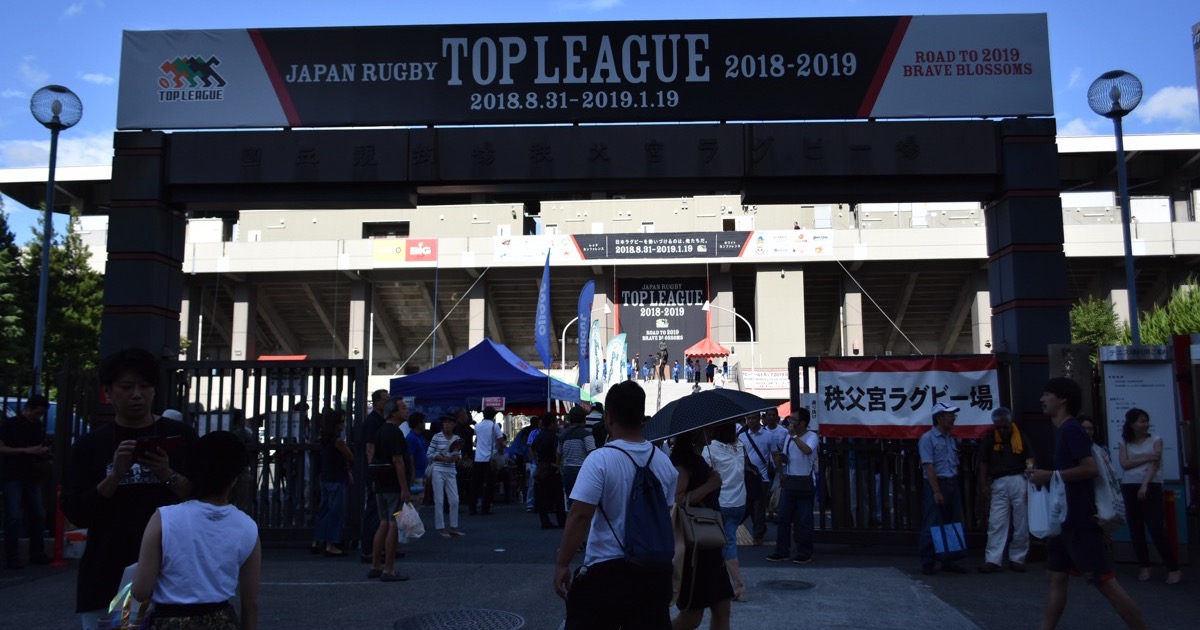
The Japan Rugby League One Rising is a dedicated development tournament held every September and October, running parallel to — but separate from — the main League One season. Its sole purpose? To hand competitive match minutes to promising young talent and fringe squad players across all 20 clubs. No title. No relegation. Pure rugby development at its most deliberate.
Tournament Format & Rules Explained
If you’re coming to this expecting the usual standings drama and relegation battles — wrong tournament, friend. The Rising is built on a completely different philosophy. Think of it less as a competition and more as a managed proving ground, engineered top-to-bottom to develop players rather than win trophies.
Here’s how it actually works:
20 clubs divided into 3 regional blocks — East, Central, and West. Fixtures are structured regionally to reduce travel and keep things sensible across Japan’s geography.
No championship points. No overall winner. Results won’t affect any table. That’s a deliberate choice — it removes the temptation for coaches to play it safe and actually forces experimentation.
Up to 30 players per match can be named in a squad, giving coaches maximum flexibility to rotate and expose players to match conditions.
Youth quota: minimum 5 players with 15 or fewer official caps must feature in each match. This is the non-negotiable rule that gives the Rising its teeth — clubs cannot simply field their second XV and call it development.
No restrictions on foreign players. Crucially — and this matters if you’re tracking international stars — there are zero limitations on overseas players in the Rising. Expect to see imported talent getting minutes alongside Japan’s next generation.
Joint “Player of the Match” is selected by the opposing captains — a detail that says a great deal about the spirit the tournament is trying to cultivate.
Participating Teams by Region
All 20 Japan rugby league one teams from across the entire League One pyramid take part — Division 1 giants alongside Division 3 sides. That’s part of what makes the Rising genuinely interesting: you might watch a Division 3 club push a top-flight outfit harder than anyone expected. It happens more than you’d think.
🗼 East Block
- NEC Green Rockets Tokatsu
- Kubota Spears Funabashi Tokyo-Bay
- Kurita Water Gush Akishima
- Sayama Secom RUGGUTs
- Shimizu Koto Blue Sharks
- Nippon Steel Kamaishi Seawaves
- Hino Red Dolphins
- Mitsubishi Heavy Industries Sagamihara DynaBoars
- Yakult Levins Toda
- Ricoh Black Rams Tokyo
⛩️ Central Block
- Shizuoka Blue Revs
- Toyota Verblitz
- Toyota Industries Shuttles Aichi
- Mie Honda Heat
🌸 West Block
- Kyushu Electric Power Kyudenko Voltex
- Chugoku Electric Power Red Regulions
- Hanazono Kintetsu Liners
- Mazda Skyactivs Hiroshima
- LeRIRO Fukuoka
- Red Hurricanes Osaka
* Regional assignments verified. Always check league-one.jp for the latest squad allocations and updates.
2026 Fixtures & Results
Upcoming HubRound 1
To be announced
Round 1
To be announced
Round 1
To be announced
* The exact matchday schedule and team pairings for the 2026 Rising tournament are pending official release by Japan Rugby League One. This hub will be updated immediately upon confirmation.
Squads & Emerging Players to Watch
Here’s the thing about the Japan Rugby League One Rising squad pages that most outlets miss: they’re not lists of second-string players killing time. They’re a window into where Japanese rugby is heading.
The youth quota rule — that minimum of five low-cap players per match — means every single game produces someone you’ve never heard of and probably should have. Scouts across Europe and the Southern Hemisphere have started paying close attention. And rightly so. Japan’s domestic pipeline has quietly become one of the most interesting in world rugby.
Beyond the raw youngsters, watch for seasoned internationals using the Rising to rebuild fitness. A foreign star returning from injury, a Japanese back rower looking to reclaim his Test spot — the Rising provides the minutes; the main season rewards those who take them. It’s a pressure valve for head coaches, and a golden opportunity for everyone watching.
Players to Watch (Up-and-Coming Talents) – Japan Rugby League One Rising
How to Get Japan Rugby League One Rising Tickets
Right — let’s talk practicalities. Whether you’re an expat based in Japan or planning a rugby-themed trip to the Land of the Rising Sun this autumn, here’s what you actually need to know about Japan Rugby League One Rising tickets.
🎫 Tickets & Access Guide
Access varies club by club — and that’s actually part of the charm. Some venues are essentially free-entry training grounds; others require a nominal charge through club portals.
Free entry at development venues
Several Rising fixtures — particularly in the Central and West blocks — are played at club training facilities with open spectator access. No ticket. Turn up, watch rugby.
Paid entry at main stadiums
When fixtures are scheduled at top-tier venues (Ajinomoto Field, Noevir Stadium, Hanazono), modest admission fees apply — typically ¥500–¥1,500 for adults.
Club websites are your best friend
Ticket info is not centralised. Go directly to the home club’s official site or their social media accounts for fixture-specific access details.
UK-based fans following from home
Check League One’s official YouTube channel — some matches are streamed at no cost. No login required.
Official source: All confirmed fixtures, squad registrations, and tournament regulations are published directly by Japan Rugby League One. For the authoritative documentation on the Rising format, visit the Japan Rugby League One official website (league-one.jp).
Frequently Asked Questions
The Rising tournament runs across September and October 2026, with the opening round of fixtures typically scheduled for the second week of September. The exact start date varies by block — East and West blocks often kick off a day apart. Check the official League One website or follow individual club channels for round-by-round scheduling.
No — not at all. The Rising is a standalone development competition that sits entirely outside the divisional structure. All 20 clubs participate regardless of which division they compete in during the main season. There are no championship points, no promotion implications, and no relegation consequences. Results simply do not count towards any league table.
Currently, there is no dedicated UK broadcast deal for the Rising. Your best options are the official Japan Rugby League One YouTube channel, which streams selected matches free of charge, and social media clips from individual clubs. For the main League One season, platforms like DAZN Japan hold broadcast rights — but UK-based subscriptions may require a VPN. Always verify availability before subscribing.
The Rising won’t make headlines in the UK sports pages. There’s no Grand Final, no Man of the Tournament, no trophy to hold aloft. And yet — if you actually love rugby for what it is, rather than what surrounds it — this tournament delivers something the main season structurally cannot. Raw talent under real pressure. Coaches forced to trust players they’d normally never risk. Matches where the result genuinely doesn’t matter, which paradoxically means players tend to play with more freedom than at any other point in the calendar.