
We don’t sell headgear. No sponsorship with Canterbury, no affiliate deal with Rebel Sport, no hidden agenda. This guide exists for one reason — so you spend your money once and get it right when searching for the safest headgear rugby Australia has to offer. Whether you’re a parent buying your kid’s first cap or a prop who’s left half an ear in a ruck, you’ll find a straight answer here.
What Does Headgear Do in Rugby?
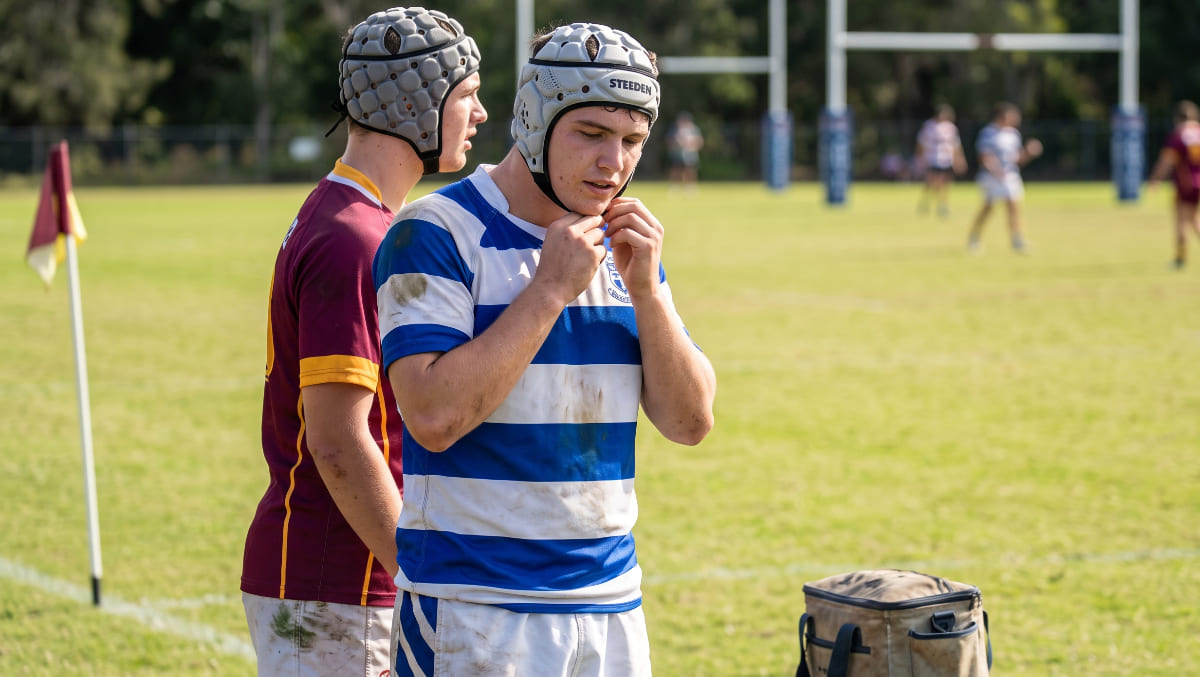
Standard rugby headgear is designed to absorb linear impact — the kind that causes cuts, lacerations, and surface-level damage. It provides a cushioned barrier to completely eliminate cauliflower ear and protects the scalp from stray boots or knees in rucks and mauls.
Medical Reality: Traditional foam caps cannot stop concussions. Concussions are caused by rotational forces acting on the brain when the head twists rapidly during a tackle. A soft foam shell cannot stop that physics. If concussion reduction is your primary goal, you need specialized PPE Category II certified equipment like the Rezon Halo engineered for multi-directional impacts.
What is the Best Headgear for Rugby? (League vs. Union)
The sport you play changes everything. To choose the best rugby headgear, you must match the design to your code’s specific physical demands:
Rugby League (NRL Style)
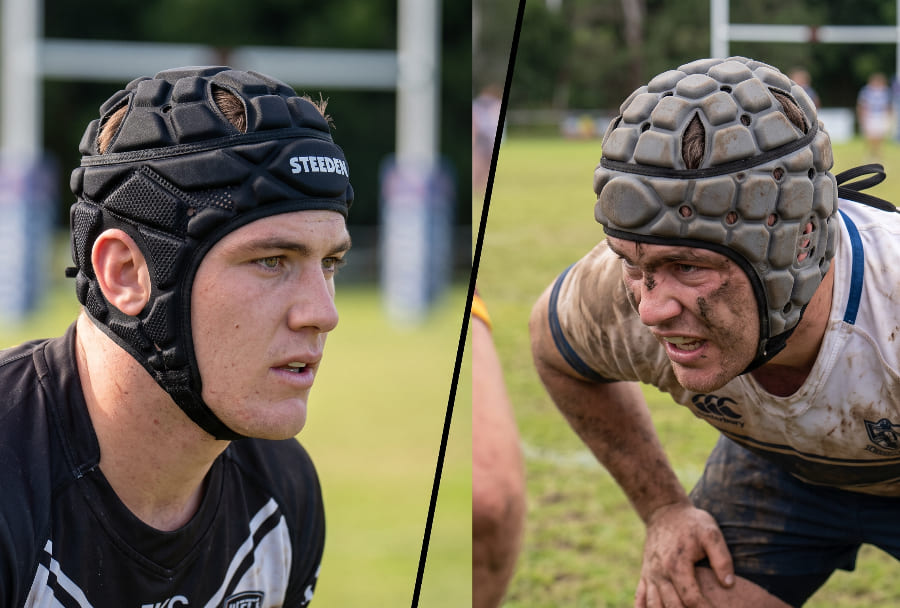
Speed and communication are the currencies of League. You need rugby league headgear that:
- Maximises field of vision and peripheral awareness for lateral passing lines.
- Keeps ears clear for rapid defensive line communication.
- Stays lightweight — in 38-degree Queensland humidity, bulk is your worst enemy.
- Go for open-ear designs with solid ventilation.
Rugby Union Style
Union is a different kind of punishment. Scrums, rucks, and mauls mean your head takes constant abrasion before you even touch the ball. Here you need:
- Dense, high-friction foam built for repeated, heavy grinding contact.
- Full ear coverage to keep your ears intact after 80 minutes of opposition forearms.
- A tighter, locked-down lace fit that won’t shift during set pieces.
Top Brands Compared: Rebel Sport, Canterbury & Madison
No corporate fluff. Here is how the most searched brands in Australia actually stack up:
The JT Effect — Why Madison Dominates Junior Rugby
Jonathan Thurston wore Madison headgear through much of his legendary NRL career. For an entire generation of Aussie kids who grew up watching him dismantle defences from halfback — in State of Origin, in World Cups, and via those impossible sideline conversions — that specific headguard was the ultimate look.
It wasn't because of a commercial campaign; kids just wanted to be JT. Madison quietly became the default choice for rugby headgear junior setups across Queensland and New South Wales. Given its balanced price and fit quality, it still makes perfect sense for young club players today.
Official Rugby Headgear Size Guide (Junior & Adult)
Getting the size wrong is the most common mistake. A loose headguard shifts on impact, giving a false sense of security, while a tight one kills your concentration by the second half.
Measure your head circumference exactly 2.5 cm above the ears in centimetres:
| Size | Head Circumference | Typical Group (Aussie Ranks) |
|---|---|---|
| XS | 50–52 cm | Kids rugby headgear (Under 6s – Under 8s) |
| S | 52–54 cm | Rugby headgear junior (Under 10s – Under 12s) |
| M | 54–56 cm | Under 14s / Small Adults |
| L | 56–58 cm | Standard Adults |
| XL | 58–61 cm | Large Adults / Front Row Forwards |
Click here to watch the Official Rugby Headguard Fitting Guide on YouTube to see exactly how to adjust the rear laces and chin strap for a secure fit.
The 3-Point Fit Check — Don't Skip This
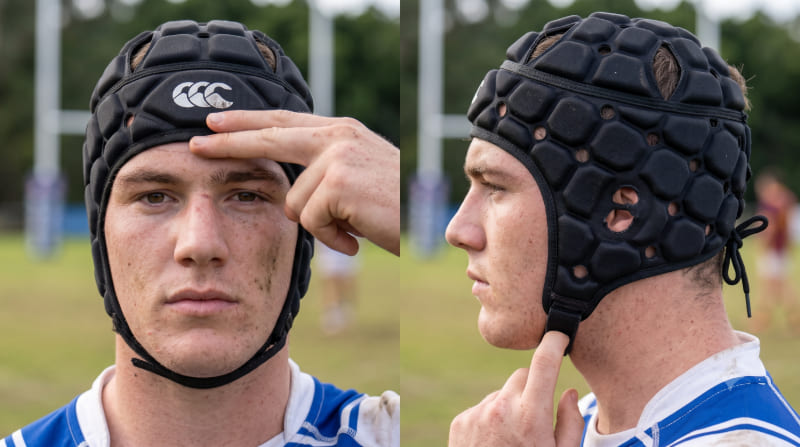
- Forehead: There should be a two-finger gap between the headguard's front edge and your eyebrows. This ensures clear vision with no slippage on contact.
- Ear alignment: Ears must sit perfectly centred in the ear openings — not covered, not exposed. If it feels off, it's either the wrong size or the wrong model.
- Chin strap: You should comfortably fit two fingers under the strap when buckled. Tighter restricts your breathing; looser and the cap moves on impact, defeating the entire point.
Frequently Asked Questions
Comfort and performance. In Australian conditions, where match-day temperatures regularly hit 35°C+, elite players prioritise thermal regulation to avoid premature fatigue. They also need complete peripheral vision and maximum audio clarity to communicate defensive patterns at speed. Most NRL players trust their trained tackle technique to protect their heads rather than relying on foam equipment.
Absolutely, and it is more affordable than most grassroots clubs realise. Local Australian specialists like Impact Rugby and GearFit Head Gear produce fully custom headgear rugby options featuring club colours, custom team logos, and even licensed Indigenous artwork. Minimum order quantities vary by supplier, but most clubs can access group pricing starting from just 10 units upward.
Where is the best place to buy a rugby headguard in Australia?
It depends entirely on whether you already know your exact size:
If you're not sure: Go in-store. Rebel Sport and Intersport both carry the main brands and have staff who can check the fit properly. This is especially vital for children's sizes — never guess a child's fit online.
If you know your size: Buy direct online. Canterbury's official site and Steeden AU carry fuller stock and better colorways than physical retail stores. Always skip unverified third-party marketplace sellers; a second-hand headguard is a dangerous compromise.