
Rugby League World Cup 2026 Table: Pool Standings, Results and Who Qualifies
| Status | Not started. The tournament opens on Thursday 15 October. |
| First match | Australia v New Zealand, Allianz Stadium, Sydney |
| Pool matches | 15, across Pool A and the combined Pools B and C |
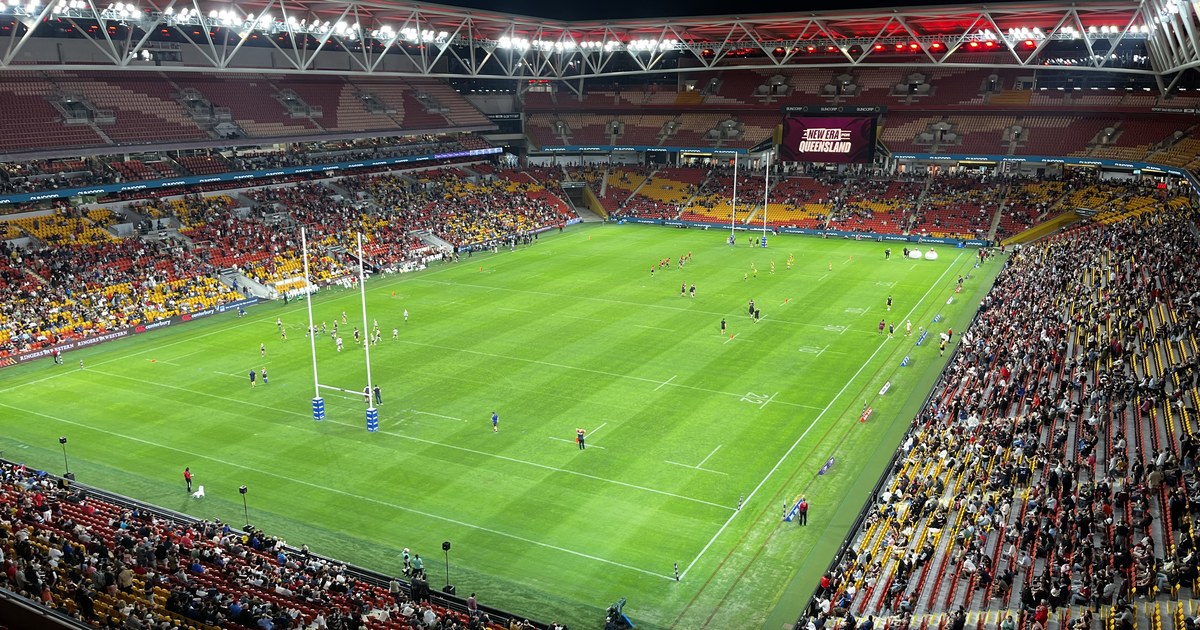
| Finals | Semi-finals 7 and 8 November. Final 15 November, Suncorp Stadium, Brisbane |
| Last updated | 9 October 2026 |
Every table on this page is at zero because no match has been played yet. From 15 October they are updated the morning after each game, and the results list below fills in as the scores land. Draw, venue and kick-off detail lives on the full World Cup fixtures and venues page.
Pool A table
Four teams, straight round-robin, three matches each. The top two go through to the semi-finals.
| Pos | Team | Pld | W | D | L | PF | PA | PD | Pts |
|---|---|---|---|---|---|---|---|---|---|
| 1 | Australia | 0 | 0 | 0 | 0 | 0 | 0 | 0 | 0 |
| 2 | New Zealand | 0 | 0 | 0 | 0 | 0 | 0 | 0 | 0 |
| 3 | Fiji | 0 | 0 | 0 | 0 | 0 | 0 | 0 | 0 |
| 4 | Cook Islands | 0 | 0 | 0 | 0 | 0 | 0 | 0 | 0 |
This is the hard half of the draw. Australia and New Zealand meet in the opening match, and Fiji have reached the semi-finals in three of the last four World Cups. One of those three is going home after the pool stage.
Pools B and C table
This is the part most people get wrong. Pools B and C are not separate groups with separate qualifiers. Each Pool B side plays all three Pool C sides, nobody plays within their own pool, and the six teams are then ranked in one combined table. The top two of that single table advance.
| Pos | Pool | Team | Pld | W | D | L | PF | PA | PD | Pts |
|---|---|---|---|---|---|---|---|---|---|---|
| 1 | B | England | 0 | 0 | 0 | 0 | 0 | 0 | 0 | 0 |
| 2 | B | Samoa | 0 | 0 | 0 | 0 | 0 | 0 | 0 | 0 |
| 3 | B | Lebanon | 0 | 0 | 0 | 0 | 0 | 0 | 0 | 0 |
| 4 | C | Tonga | 0 | 0 | 0 | 0 | 0 | 0 | 0 | 0 |
| 5 | C | Papua New Guinea | 0 | 0 | 0 | 0 | 0 | 0 | 0 | 0 |
| 6 | C | France | 0 | 0 | 0 | 0 | 0 | 0 | 0 | 0 |
So England can finish above Samoa without ever playing them. Nine matches decide these six places, and the last of them, Tonga v Samoa in Parramatta on 1 November, is the one most likely to settle it.
How a team qualifies for the semi-finals
Four teams reach the knockout stage: the top two from Pool A, and the top two from the combined Pools B and C table. The bracket then crosses them over.
| Match | Date | Venue | Who plays |
|---|---|---|---|
| Semi-final 1 | Sat 7 Nov | Newcastle | Pool A runners-up v Pools B and C winner |
| Semi-final 2 | Sun 8 Nov | Allianz Stadium, Sydney | Pool A winner v Pools B and C runners-up |
| Final | Sun 15 Nov | Suncorp Stadium, Brisbane | The two semi-final winners |
Winning Pool A is worth real money. It buys a home semi-final in Sydney against the second-placed side from the other table, rather than a trip to Newcastle to face that table’s winner.
How the table is decided
Two points for a win, one for a draw, none for a loss. Where teams are level on points the order is settled on points difference, which is points scored minus points conceded. That is the PD column, and in a pool stage this short it usually matters. Three matches is not enough for form to sort the table out on its own, so a single heavy defeat can be the thing that eliminates a side.
Results: every pool match
Scores appear here within a few hours of full time, taken from the official match reports rather than from live blogs.
| Date | Pool | Match | Result |
|---|---|---|---|
| Thu 15 Oct | Pool A | Australia v New Zealand | Not played |
| Fri 16 Oct | Pools B and C | Samoa v France | Not played |
| Sat 17 Oct | Pools B and C | Papua New Guinea v Lebanon | Not played |
| Sat 17 Oct | Pools B and C | England v Tonga | Not played |
| Sun 18 Oct | Pool A | Fiji v Cook Islands | Not played |
| Fri 23 Oct | Pools B and C | Tonga v Lebanon | Not played |
| Sat 24 Oct | Pools B and C | Papua New Guinea v Samoa | Not played |
| Sat 24 Oct | Pools B and C | England v France | Not played |
| Sun 25 Oct | Pool A | New Zealand v Cook Islands | Not played |
| Sun 25 Oct | Pool A | Australia v Fiji | Not played |
| Fri 30 Oct | Pools B and C | England v Papua New Guinea | Not played |
| Sat 31 Oct | Pool A | New Zealand v Fiji | Not played |
| Sat 31 Oct | Pool A | Australia v Cook Islands | Not played |
| Sun 1 Nov | Pools B and C | Lebanon v France | Not played |
| Sun 1 Nov | Pools B and C | Tonga v Samoa | Not played |
The two teams worth watching in the table
Tonga and Samoa both sit in the combined table, and both are built on players who chose a heritage nation over a Tier 1 one. That is legal, deliberate and the main reason the lower half of this draw is competitive. How it works is set out in the World Cup eligibility rules.
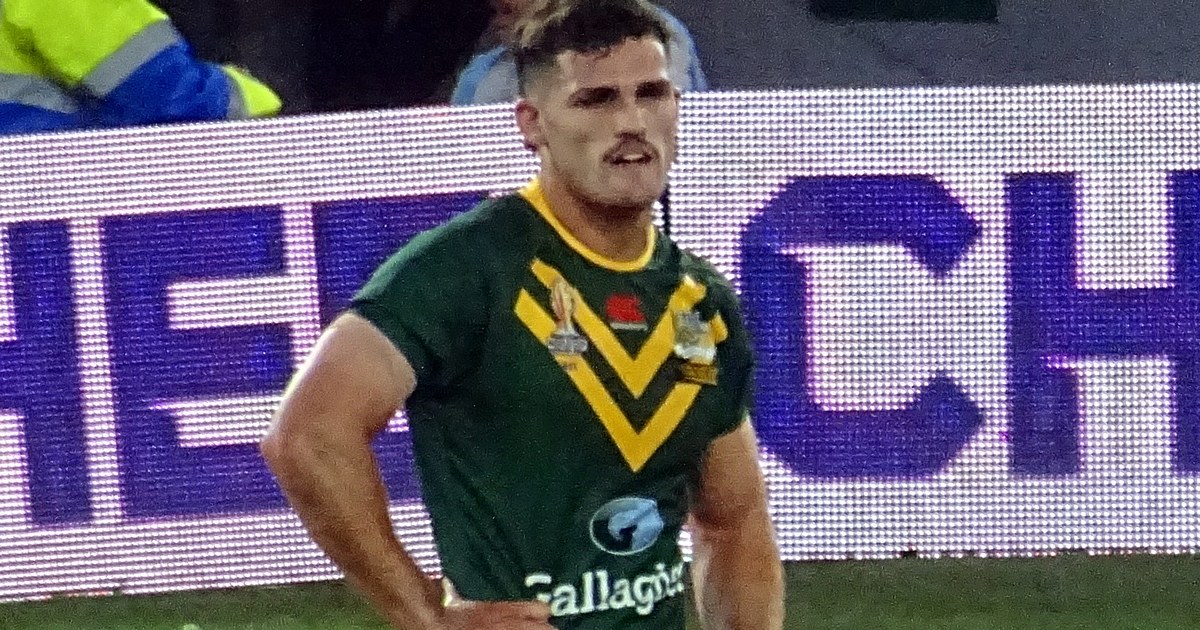
Australia start as favourites and have named a 23 with six potential debutants, but they do so without Nathan Cleary, Dylan Edwards and Lindsay Collins. New Zealand, their first opponent, have added two players who used to be Australian.
Frequently Asked Questions
Standings and results are compiled from official International Rugby League and NRL match reports. Last updated 9 October 2026, before the first match.