
Peter V’landys Backs a “Substantial” NRL Salary Cap Rise as a $16 Million Figure for 2028 Emerges
The NRL salary cap is set to rise to $16 million in 2028, up from $12 million in 2027, the Daily Telegraph reported, with The Australian reporting the same figure. That would be a 33 per cent rise in one season. The NRL has not confirmed it.
ARLC chairman Peter V’landys said: “We haven’t agreed on a (salary cap) figure at this stage but I believe it will be a substantial increase.”
Where the money comes from
The rise follows the NRL’s $5.3 billion broadcast deal. “The players are the entertainers and they have done a magnificent job,” V’landys told the Telegraph. “We are seeing record ratings and record viewership and the players deserve to be rewarded for their efforts. By the end of the broadcast cycle it’s possible the salary cap could be $20 million.”
Zero Tackle noted that $16 million is well above earlier projections of a 20 per cent rise. The extra room helps clubs keep players outside the elite pay bracket, the ones on around $300,000 to $350,000, without losing their stars.
The PNG Chiefs gain most
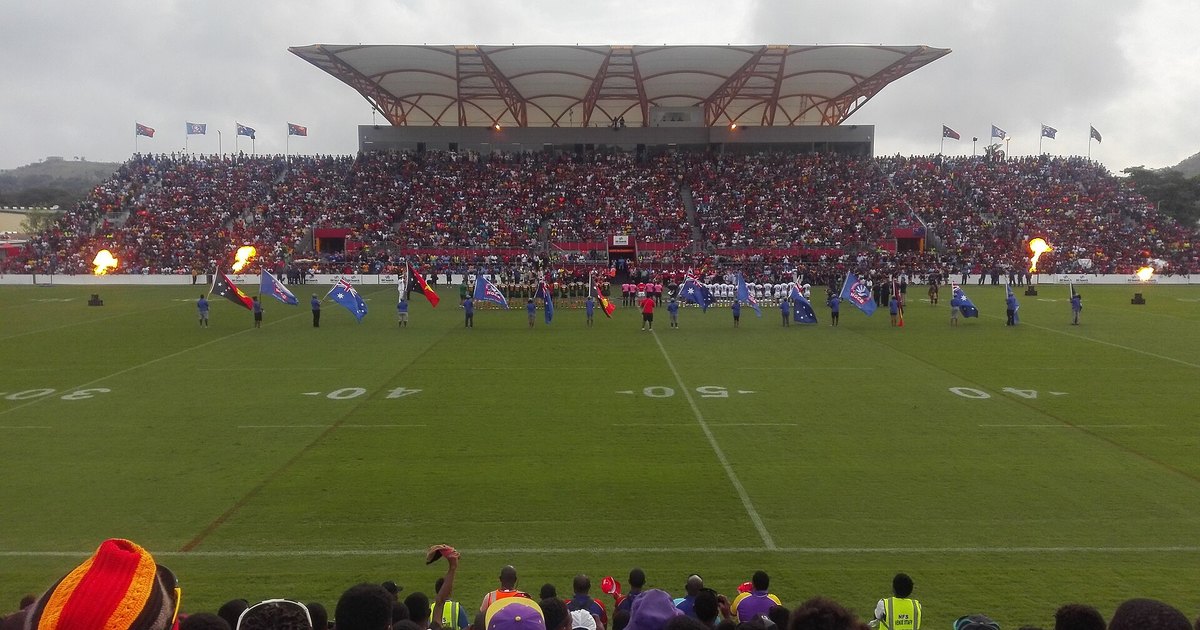
The Chiefs join the NRL in 2028, the first season under the new figure. Zero Tackle reported they have spent about $6.55 million on the 10 players signed so far, with tax-free salaries in Papua New Guinea a big selling point. A bigger cap leaves them more to spend on the rest of the squad, and Roosters halfback Sam Walker has been one of their targets. We covered AJ Brimson’s move to the Chiefs and the latest on Walker.
| Salary cap | Figure | Status |
|---|---|---|
| 2027 | $12 million | Current figure |
| 2028 | $16 million | Reported, not confirmed |
| End of broadcast cycle | Possibly $20 million | V’landys’s estimate |
Who it helps in the market
Clubs are signing for 2028 right now. Matt Burton’s Perth Bears deal, reported at about $1.5 million a season, starts that year, and Cameron Munster is shopping for a 2028 contract after rejecting Melbourne’s offer. A cap a third bigger changes what every club can offer.
Our view
The rise is good news for players and for clubs trying to keep good squads together. It also explains why so many deals this month have been for 2028 rather than 2027: managers know the money is about to go up.
The risk is that the Chiefs’ tax-free salaries plus a larger cap make them even harder to compete with for players in the middle of the market. Until the NRL confirms the figure in the next collective bargaining agreement, treat $16 million as the expected number, not the final one.