

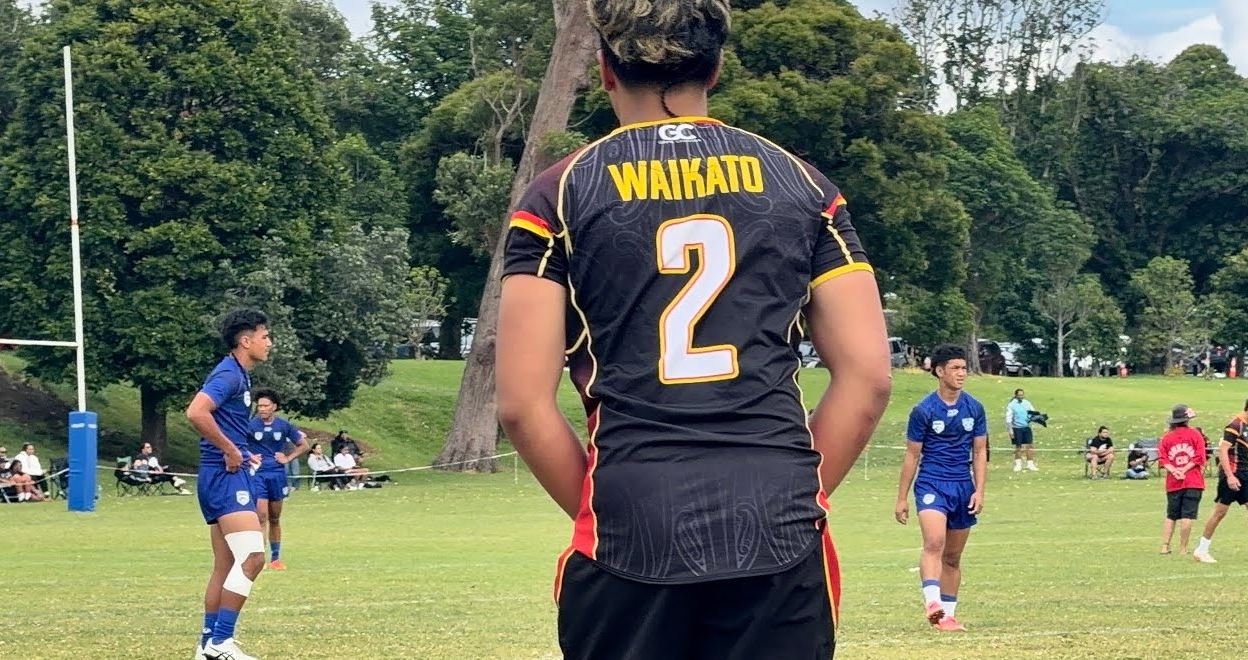
Empty fields don’t lie. When a league decides it’s safer to cancel than to play, something has broken —and it’s not the crossbar.
Why Was the Waikato Junior Rugby League Cancelled?
The Waikato Junior Rugby League cancelled all weekend fixtures in Waikato, New Zealand, following a sharp escalation of violent behaviour by parents and adult spectators. Confirmed incidents included sustained verbal abuse directed at referees —most of them teenagers— along with physical altercations between rival families recorded in the stands and car parks of local sports complexes.
The decision was immediate. Officials didn’t issue a warning, didn’t hand out yellow cards. They shut the whole thing down.
The Referee Abuse Crisis in Grassroots Rugby
Here’s something that’s hard to say out loud: the referees running these junior games are not seasoned professionals with years of experience behind them. Many are between 14 and 17 years old. They’re learning the craft, they’re earning very little for their time —and in far too many cases, they walk away from refereeing for good after just one season. Sometimes after just one match.
The phenomenon even has its own name: sideline rage. And Waikato, for all its proud rugby heritage, is anything but immune.
According to data published by New Zealand Rugby’s referee development programme, retaining referees at the grassroots level has been a growing structural concern for several seasons running, with adult behaviour on the sideline identified as one of the primary drivers of dropout. When a grown adult screams at a 15-year-old kid who is doing his best —in front of a crowd, in front of his peers— it doesn’t just humiliate him. It dismantles the entire ecosystem the sport depends on.
Official Response: What the Authorities Said
League officials left no room for ambiguity. Their public statement was direct —and, reading between the lines, revealed just how much they had absorbed before reaching this point. The officially stated reasons for the cancellation, and the conditions set for resumption, included:
- Repeated verbal abuse by parents and adult spectators directed at junior referees during and after matches.
- Physical altercations between rival families in car parks and perimeter areas of sports facilities.
- A widespread climate of intimidation that prevented volunteers and match officials from carrying out their roles safely.
- An inability to guarantee a safe environment for players, referees, and support staff under existing conditions.
- A firm commitment not to resume until concrete codes of conduct and meaningful —not symbolic— consequences for offenders are in place.
The message could not be clearer: if adults cannot behave like adults at a children’s rugby match, there will be no match. Full stop.
What This Means for the Future of Junior Rugby
Here’s the bitter irony nobody wants to name out loud: the adults who claim to love rugby the most —the ones screaming from the sideline, the ones arguing every call, the ones scrapping in the car park at full time— are the ones killing it.
The children who couldn’t play in Waikato this weekend are the same generation that could be feeding the Chiefs, the All Blacks, or clubs across the country in ten or fifteen years’ time. Every cancelled weekend is not just a missed fixture —it’s a week less of development, of character-building, of that uncomplicated love for rugby that only forms when you’re young and the game still feels pure.
New Zealand Rugby has rolled out programmes like Respect & Responsibility across various regions to address exactly this kind of issue. They’re valuable. But no programme works if the people who matter most —the parents— don’t genuinely choose to change. Workshops don’t shift cultures. Real consequences do.
The Waikato league now has an uncomfortable —but real— opportunity. If this suspension is backed by enforceable sanctions, sustained education, and a zero-tolerance policy applied without exception, it could become a model for grassroots rugby not just in New Zealand, but globally.
If not… we’ll be reading this exact story next year. Different region. Different name. Another teenage referee who decides this sport isn’t worth it —and, honestly, who could blame them.
What drastic measures do you think sports leagues should take to stop parent violence on the sidelines? Drop your thoughts in the comments — because if you care about this sport, staying silent isn’t an option anymore.